Who is in charge of this model?
When everyone owns a model, nobody does. Every model your organisation depends on needs one accountable name.
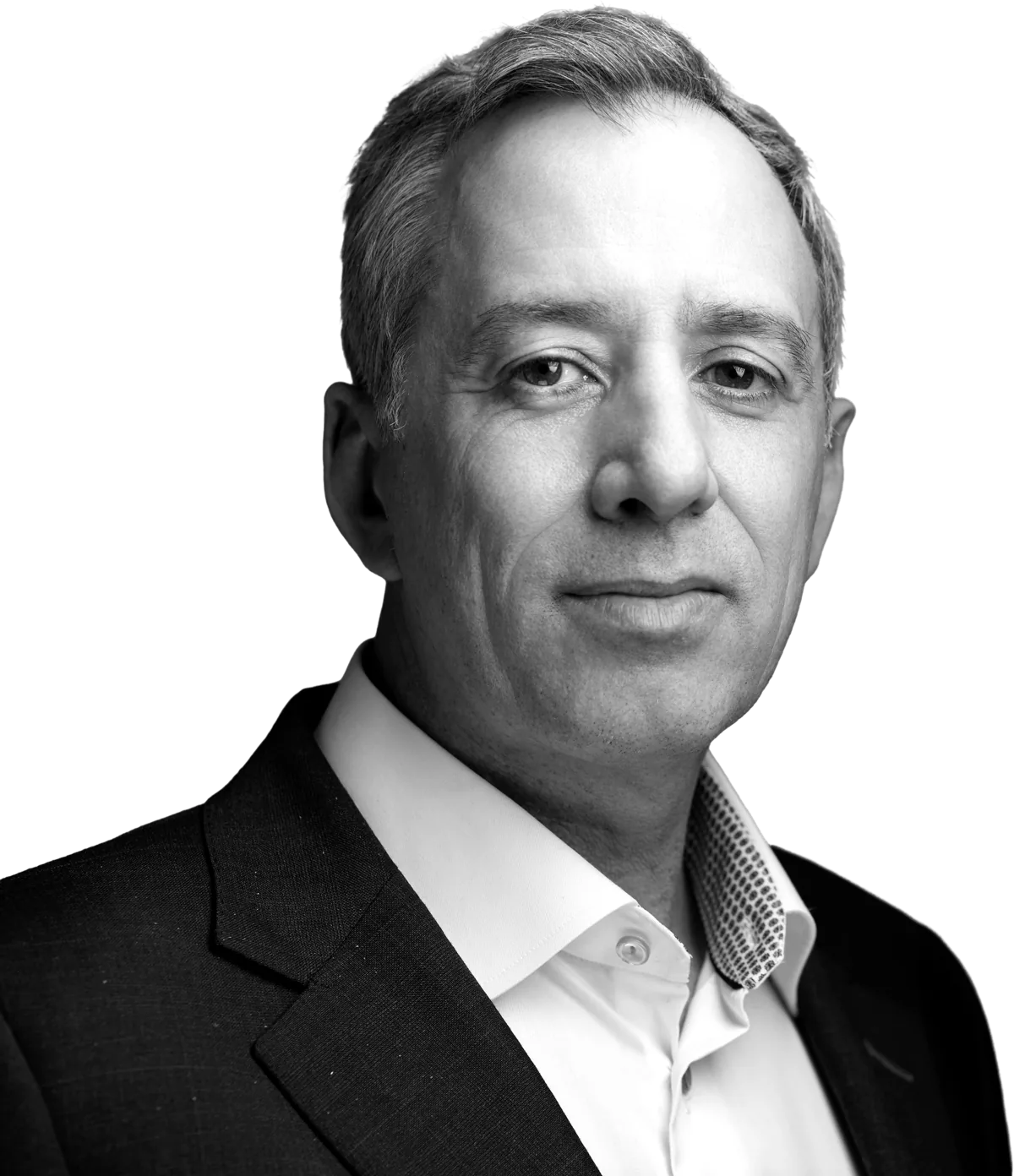
 James A Lang
Your board is asking questions about AI it cannot answer. I sit beside you while you answer them.
Most AI programmes don't fail on technology. They fail on leadership.
When everyone owns a model, nobody does. Every model your organisation depends on needs one accountable name.
Governance frameworks go silent on loss. Resilience is what buys you the right to be wrong, and the board has to plan for it.
Leaders are responsible for AI decisions they did not build. Decide now which decisions stay human, and protect the space to make them.
One sits above the rest: how do we balance innovation and responsibility? The other nine come in threes.
I spent 22 years in the British Army. I have built AI for the Ministry of Defence and audited it for boards. I know what command, delivery and scrutiny each demand.
22 years of British Army service. Stood up the Army's Cyber Protection Team and took the first AI cyber security systems to the edge, from Estonia to an aircraft carrier.
The Ministry of Defence's first Cybersecurity AI Product Manager, leading its big data AI platform across 65 engineers. Adviser to boards in regulated industries, defence and government.
Oxford Artificial Intelligence Audit Programme, Saïd Business School. CISSP. Chartered Manager. Founder of Velinor, an AI governance, strategy and audit consultancy.
The frameworks I bring to a board were built inside organisations where AI failure is not an option. Three engagements, anonymised as required.
AI deployed where failure is unacceptable, because governance was treated as resilience infrastructure rather than paperwork. The board got one accountable name per model and a tested route to stop it.
AI scale fails when the data underneath has no owner, no consistent controls and no auditable lineage. We defined what trusted data for AI means in practice, so leaders could use it and account for it.
Most organisations deploy AI with no plan for when it goes wrong. This one left with an incident capability leadership could trust: who acts, what they do, how fast, written for execution rather than the shelf.
Where it will decide what the business makes, how it competes, or what it can be held accountable for, and where the board has to answer for systems it did not build.
I know three sectors from the inside: critical national infrastructure, defence and security, and government and regulated services.
A seat, for boards that will have AI on the risk register for the next decade and want one director who has built it, governed it and audited it.
Discuss a seatThe same judgement without the fiduciary role: a standing adviser to the chair, the audit and risk committee, or the executive, on the questions AI puts to them.
Talk it throughThirty minutes. Three questions. No obligation. You leave knowing what your board needs to decide this year, and whether I'm the right person to help.
Book a briefingCISSP. Chartered Manager. Oxford Artificial Intelligence Audit Programme, Saïd Business School. MSc Leadership and Management. Founder, Velinor.
Up to two board seats, 15 to 20 days a year each, including committee work.
Velinor does not work for any organisation on whose board I sit. I declare my minor shareholding in Kaze on appointment.